
ApniFasal Report: The Real Impact of Pesticides on Human Life and Future Farming
In today’s fast-growing agricultural world, pesticides play an important role in protecting crops from insects, weeds, and diseases. They help farmers increase production and reduce crop losses. However, excessive and uncontrolled use of pesticides has created a serious concern for human health and environmental safety.
What Are Pesticide Residues?
Pesticide residues are small amounts of chemicals that remain on fruits, vegetables, grains, and other food products after pesticides are sprayed on crops. When people regularly consume food containing high pesticide residues over a long period, these chemicals may slowly affect the human body in several harmful ways.The impact depends on: Amount of exposure Duration of exposure Age and overall health condition of the person Type and toxicity of the pesticide usedWhile regulated and controlled pesticide use is generally considered safe, long-term overexposure can create serious health risks.
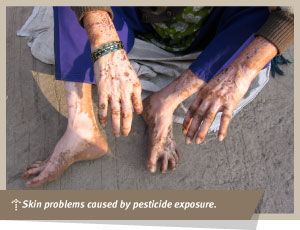
given skin burn images shows the effects of pesticides exposure .
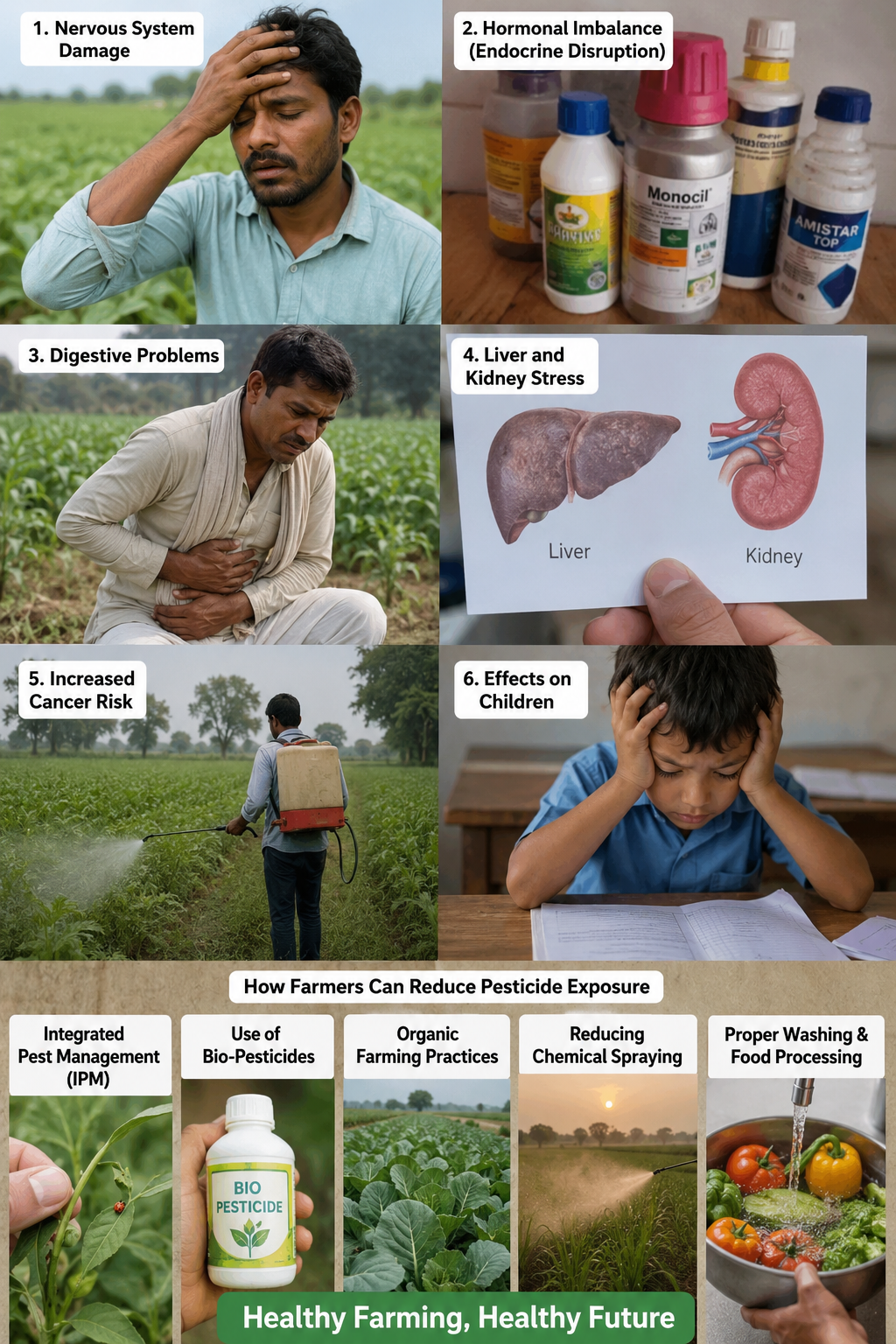
Major Health Effects of High Pesticide Exposure.
1. Nervous System DamageCertain pesticides can directly affect the nervous system. Long-term exposure may lead to: Headaches Dizziness Memory loss Anxiety and mood disorders Reduced concentration Nerve damage in severe casesChildren and elderly individuals are especially more vulnerable to these effects.
2. Hormonal Imbalance (Endocrine Disruption)Some chemical pesticides interfere with the body’s hormonal system. This condition is known as endocrine disruption.Possible effects include: Thyroid imbalance Reproductive issues Fertility problems Developmental disorders Metabolic complicationsHormones control many essential body functions, so even small disruptions over time can impact overall health.
3. Digestive ProblemsFood contaminated with excessive pesticide residues may also affect the digestive system.Common issues include: Stomach irritation Nausea Acidity Digestive discomfort Gut health imbalanceContinuous exposure may weaken the digestive system over time.
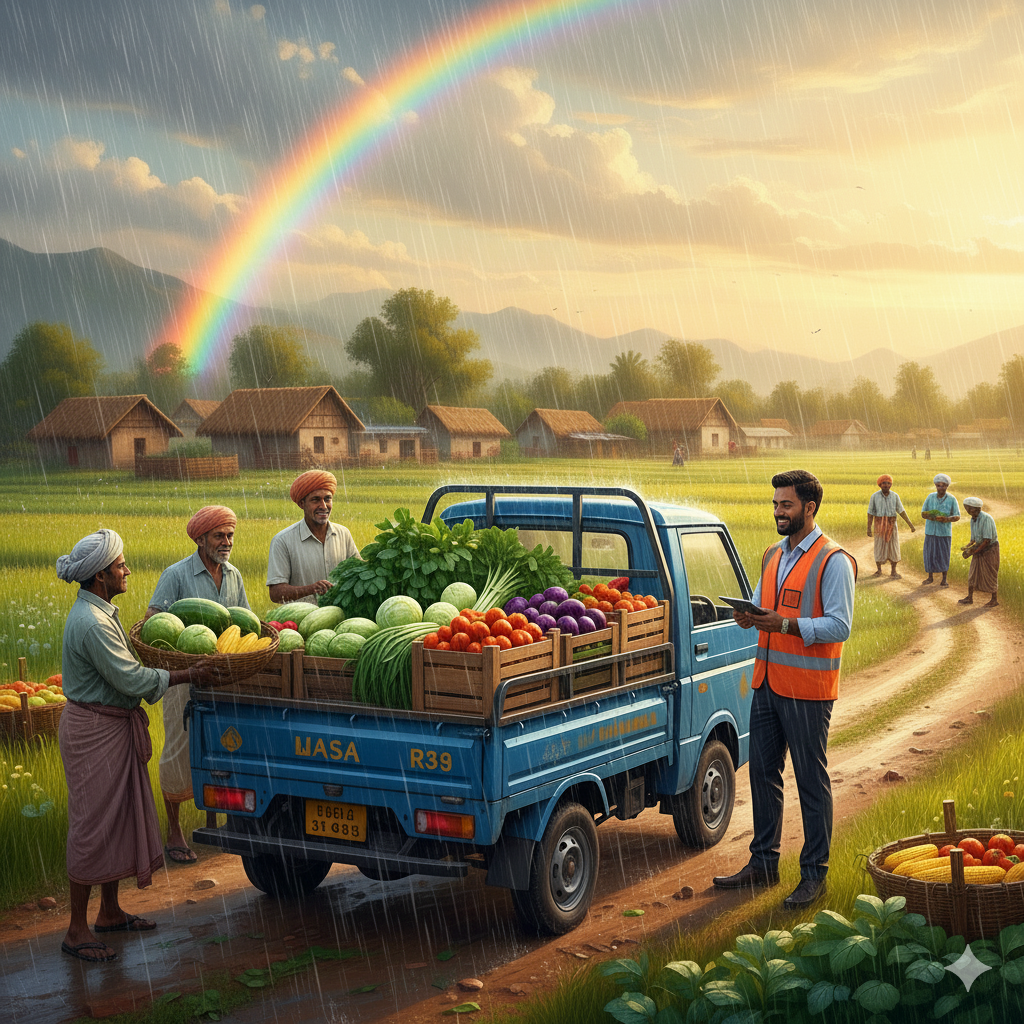
How Farmers Can Reduce Pesticide ExposureModern agriculture is moving toward smarter and safer farming practices. Farmers can reduce harmful chemical exposure through several sustainable methods.Recommended Farming ImprovementsIntegrated Pest Management (IPM)IPM focuses on controlling pests using scientific monitoring, natural predators, crop rotation, and minimal chemical intervention.Benefits include: Reduced chemical dependency Better soil health Lower production costs over time Safer food qualityUse of Bio-PesticidesBio-pesticides are made from natural substances such as bacteria, plants, fungi, and minerals.Advantages: Eco-friendly Lower toxicity Safer for humans and animals Sustainable agricultural solutionOrganic Farming PracticesOrganic farming avoids synthetic pesticides and encourages natural crop protection methods.Key benefits: Healthier produce Improved biodiversity Better long-term soil fertility Reduced environmental pollutionReducing Chemical SprayingExcessive spraying increases residue levels unnecessarily. Farmers should: Follow recommended dosage Spray only when required Avoid over-application Use protective equipment during sprayingResponsible pesticide use protects both farmers and consumers.Proper Washing and Food ProcessingConsumers can also reduce exposure by: Washing fruits and vegetables thoroughly Peeling certain produce when appropriate Using clean water for food preparation Buying from trusted and responsible farming sourcesSimple food safety habits can lower pesticide residue intake significantly.
My personal experiences
My family owns ancestral farmland and a house near a small village in India. Along with that, we have around 80 acres of ancestral agricultural land. At present, I am staying in Nagpur for personal work, but during this period I noticed something that did not feel normal at all.We have not been managing the farming operations ourselves for the past six years. My uncle used to handle all the agricultural activities personally, but due to certain health-related issues, he decided to lease the farmland to local farmers on a yearly contract basis. Since then, the lease income has been stable and sufficient, so there was never any major concern regarding the arrangement.No matter how busy I get with work, I always stay connected with my family through regular phone calls. One day, while I was doing some research, my uncle called me and during our casual conversation he mentioned something surprising — the farmer who had leased our land had earned more than double the usual income from our farmland this year.Hearing this shocked me. My uncle further explained that such unusually high profits were achieved through the excessive use of chemical pesticides and aggressive farming methods. While this may generate quick and instant profits, the reality is that such short-term gains are insignificant compared to the long-term value of the land itself.It is widely believed that once fertile land becomes barren due to chemical overuse and soil degradation, restoring it back to healthy farming condition becomes extremely difficult, and in some cases almost impossible. That is why, in our upcoming lease agreement, we are planning to change the farming approach and move as much as possible toward organic and sustainable cultivation methods.We strongly believe that today’s temporary profit should never become tomorrow’s irreversible loss.
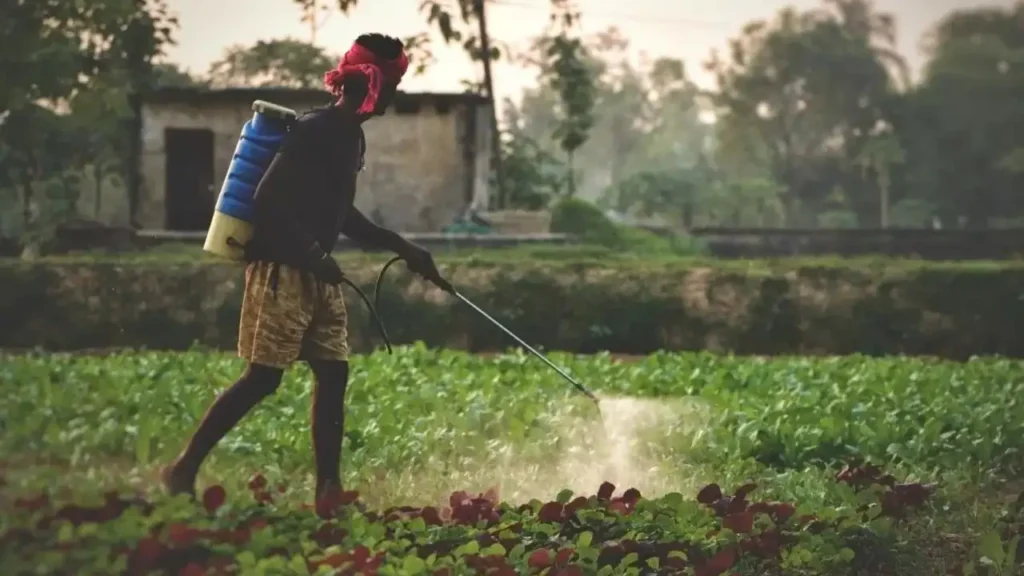
100% wealth compund in 4 months real incident.
The most surprising part was that the farmers leasing our land had managed to earn more than double the usual profit — purely through farming, and completely tax-free. According to my uncle, these are not ordinary farmers. They come from generations of farming families and have spent their entire lives mastering agriculture through experience rather than modern business education.For them, farming was never only about profit or loss. Their lifestyle was built around discipline, hard work, and simplicity. Every morning, they would wake up early, prepare homemade food, pack their tiffins, and leave for the fields before sunrise. They worked long hours every single day, yet they did it peacefully and happily, without stress or complaints.Their life followed a simple rhythm — work, eat, repeat — but with complete dedication and satisfaction. They genuinely enjoyed every moment of the farming process, from sowing seeds to harvesting crops. To them, farming was not just a source of income; it was a way of life deeply connected to nature and the land.However, something changed over the past year.Before renewing the lease, they seemed to have discovered a different approach — one focused more on maximizing business profits, regardless of the long-term cost. They likely understood how excessive chemical fertilizers and pesticides could dramatically increase short-term yields and income. But the hidden price of that success was the gradual destruction of soil fertility, natural growth cycles, and the living ecosystem inside the land.The most disturbing sign of all came when my uncle mentioned that he had not seen even a single earthworm in the soil for a long time.And that is the real fear.Earthworms are one of the strongest indicators of healthy and living soil. Their disappearance is not just a small environmental issue — it is a warning sign that the land may slowly be losing its natural life, fertility, and long-term sustainability. What appears today as “record-breaking profit” could eventually turn into irreversible damage for future generations.That realization changed our entire perspective on farming.